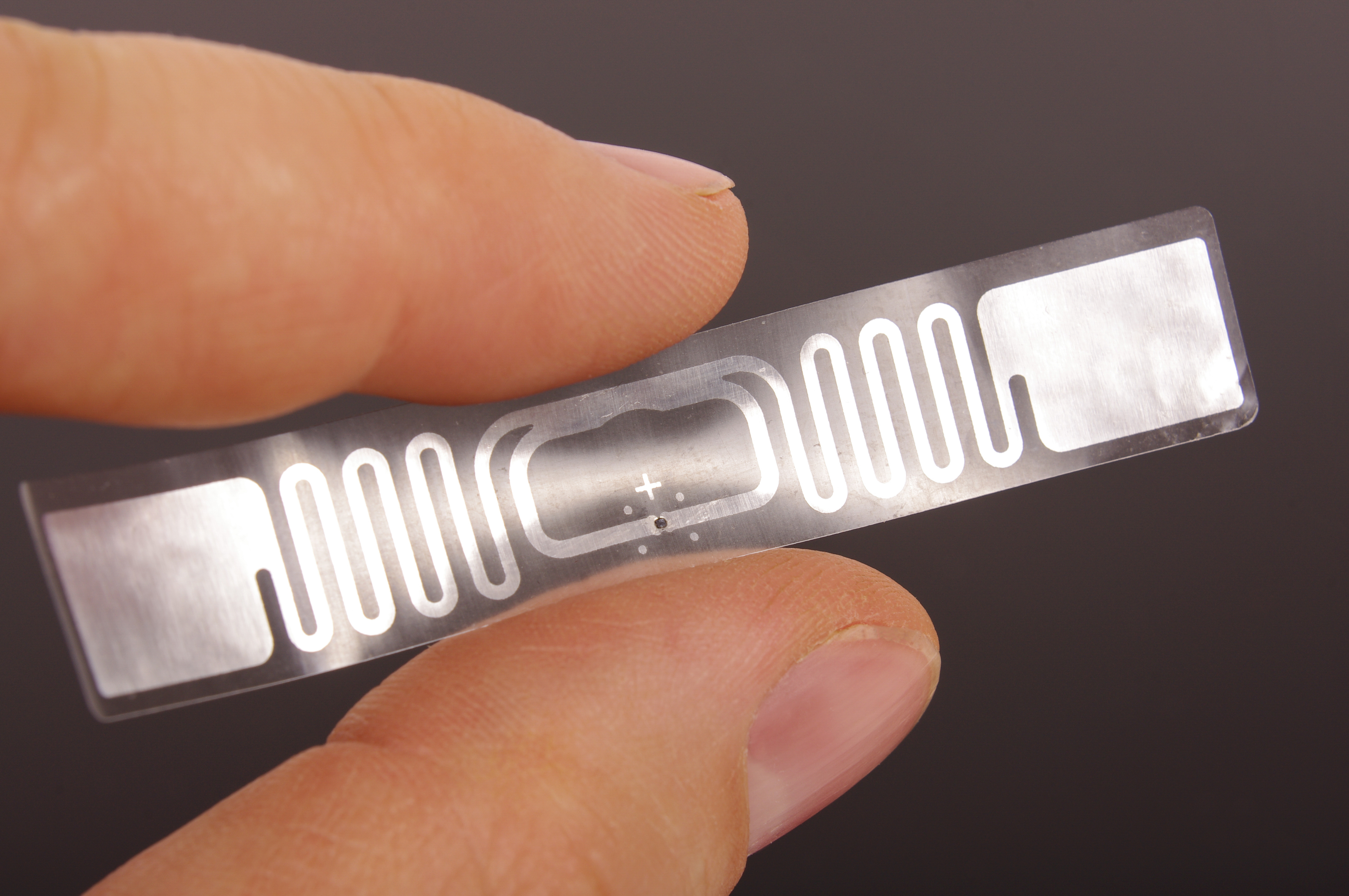
Passive RFID tags carry a small microchip and an antenna, and they are activated by a reader — handheld or fixed — that powers them as they pass. It sounds simple, and it can be. But the tag itself is where projects succeed or stumble.
Passive RFID can unlock real new productivity through automation. But if you rush out and buy readers and tags without a plan, you might be in for an unpleasant surprise.
So what is the problem?
The problem is that RFID tags come in a wide variety of shapes and sizes, with a huge spectrum of performance characteristics. Choose the wrong tag and you can end up with disappointing results — short range, missed reads, or tags that simply do not work on your assets at all.
So what should you weigh before you buy?
What assets are you tagging?
Different tags are meant for different kinds of assets. Two common families:
- Paper-label tags — designed for paper items like documents and folders. Other surfaces such as plastic also work well.
- Metal-mount tags — an ordinary paper-label tag placed on metal will not work at all. Metal-mount tags are engineered specifically to perform on metal surfaces.
Size matters.
A general rule with RFID tags: the smaller the tag, the shorter its range. You can find a very small tag for a very small asset, but you may only get about a foot of read range out of it. Matching tag size to the asset — and to how far away you need to read it — is part of the balancing act.
Want to use a printer?
Another consideration is whether you need to print onto the surface of the tags. Some tags are designed to work with only specific printers. Buying the wrong tags is painful enough — but buying the wrong RFID printer can be catastrophic. Confirm tag-and-printer compatibility before either purchase.
Lean on the experts.
Choosing the right combination of tags for your requirements can be genuinely challenging. Many companies decide to consult an RFID expert to make sure they are doing everything right the first time, rather than learning the hard way after the tags arrive.
InfinID Technologies is here to help.
Here at InfinID, we provide professional services to go on-site at a customer's facility and perform an RFID tag needs assessment. We review all of your requirements to make sure you receive exactly what you need for an outstanding solution. Browse our tag catalog or start with the Handheld and Fixed Reader modules.