Zone-level
Location, not RTLS

Put a battery-powered tag on anything you need to find. The V-Tags link into their own Zigbee 2.4 GHz network, tell you which zone each asset is in, and route around any obstacle on their own — no wiring, no infrastructure to install.
More tags make the mesh stronger.
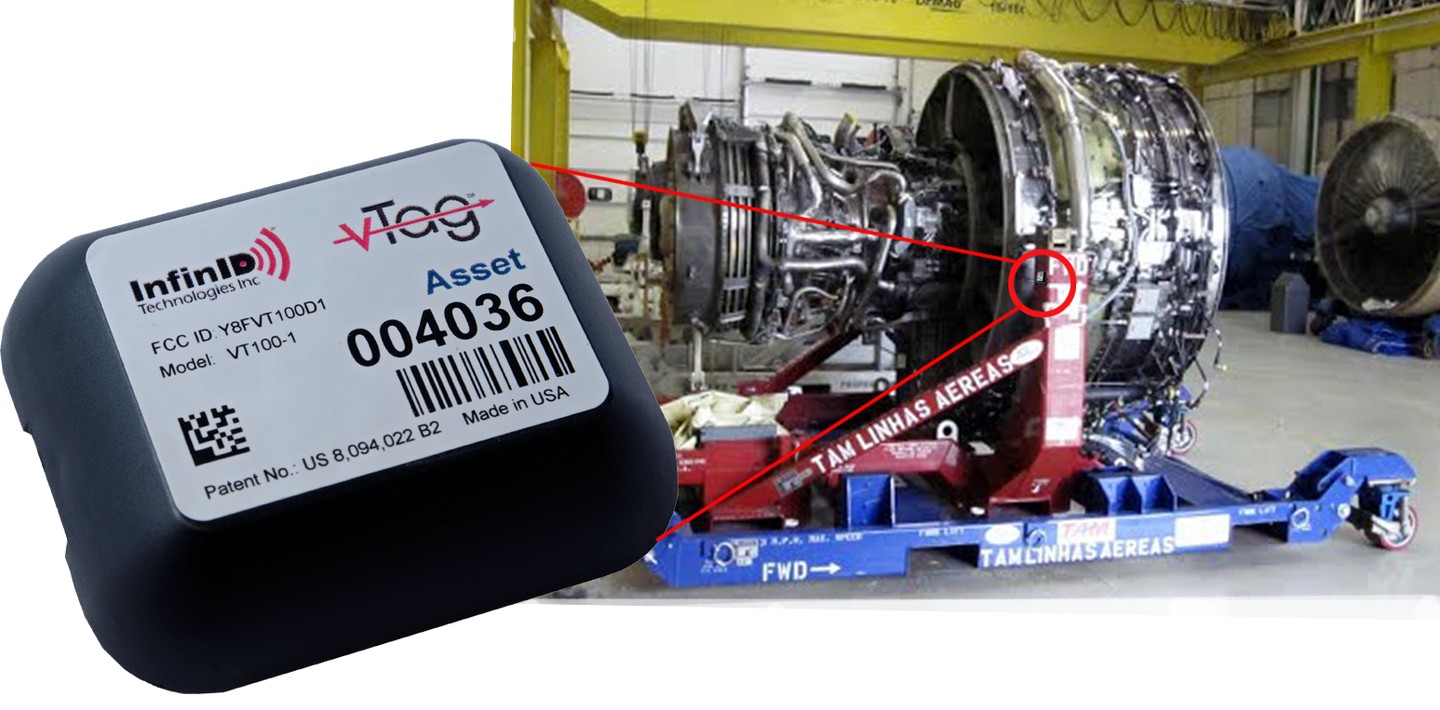
Every V-Tag is a small two-way radio as well as a tag. Switch a batch of them on and they find one another and link up into a single wireless network — nothing to wire, and no reader to hang in every zone. Each tag carries its neighbors' reports along, so when a machine or a metal wall blocks one path, the signal simply takes another. And the more tags you add, the more paths there are — the network only gets stronger. That is why a whole floor can be covered without a reader in every corner. Here is how it actually does it.
A V-Tag isn't only a tag — it's a small two-way radio that repeats for its neighbors. Power a batch of asset tags and fixed anchors on, and they discover one another and self-organize into a single 2.4 GHz mesh. There is no controller to program and no reader grid to survey — the network forms itself.
A tag doesn't need its own line to a reader. Its report is handed neighbor to neighbor — each node passing it one hop closer — until it reaches a V-Tag gateway, which forwards it on to AssetWorx!. A single gateway can sit at the edge of a large area and still receive everything, because the mesh carries each message out to it.
When a machine, a loaded rack, or a metal wall blocks a path — or a node's battery finally runs down — the mesh simply routes around it. No single link's failure can take an asset offline. That is the self-healing: the network keeps finding a way through on its own, with nothing to reconfigure.
Every tag you add is one more relay path, not one more load on a gateway. Density improves coverage and resilience — the opposite of a BLE gateway, which only grows more congested as tags pile on. On a crowded floor the mesh is at its best, not its worst.
Anchor tags sit at known spots — Bay 3, the paint line, the tool crib. A moving asset resolves itself against the nearest anchors, and the gateway places it on your floor-plan map by zone or bay. Want finer detail? Add more anchors — resolution is a dial you control by tag density.
Under the hood, US 8,094,022 B2 — probabilistic routing — has each node decide whether to rebroadcast a message from its own calculated distance, signal strength, and power. The mesh forwards intelligently toward the gateway instead of flooding the airwaves, so it scales to many tags without drowning in its own chatter.
Every tag relays for the others, so one blocked path just reroutes — and more tags make the mesh stronger, not slower. No fixed-reader grid to wire.
Replaceable batteries rated for 1, 3, or 6 years depending on the tag — low total cost across a big fleet.
Onboard shock, temperature, and battery sensors raise active alerts — not just location, but condition.
A software-activated beeper helps a person walk right up to a tagged item on a crowded floor.
US 8,094,022 B2 — the V-Tag mesh uses probabilistic routing: each active tag decides whether to rebroadcast a message from its own calculated distance and signal strength, so reports find their own way to the gateway. It's the mechanism behind “the mesh routes around obstructions” and “more tags make the mesh stronger.”
V-Tag tells you which zone each asset is in — Bay 3, the paint line, the tool crib — and keeps it current as things move. It's honest about what it is: dependable zone-level presence, not a live GPS dot. And you get it with nothing to put in — the fixed reference tags that mark each zone are battery-powered and wireless, so there's no cabling, no fixed readers, and no survey gear.
V-Tag is an active Zigbee self-healing mesh built for reliable zone-level location. It is not RTLS, not sub-second, not BLE, and not a beacon-positioning system. Positions settle across the mesh in roughly 3–4 minutes — the honest trade for battery life measured in years and near-zero fixed infrastructure.
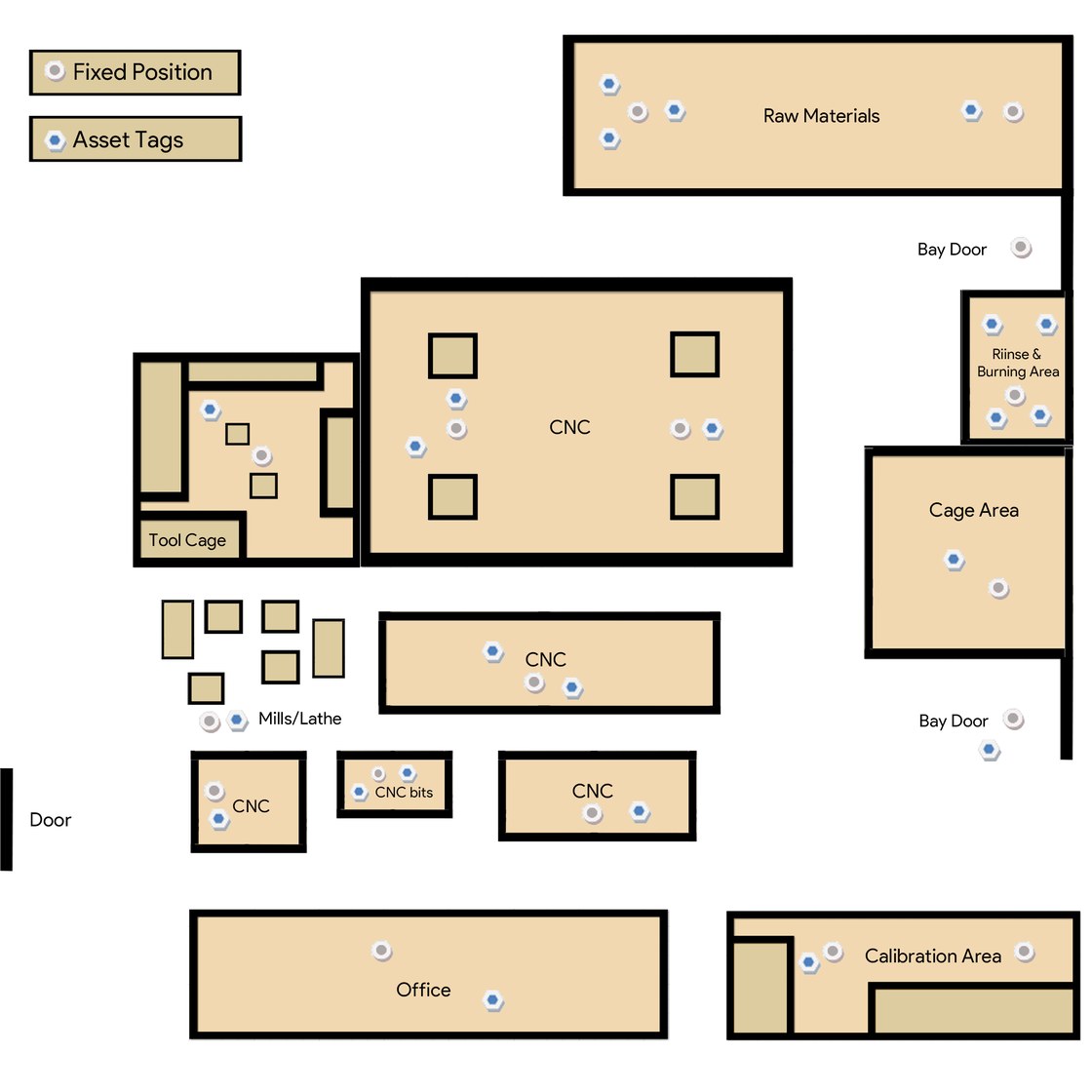
The zones are defined by the fixed reference tags — and standing them up is deliberately simple. No cabling, no survey gear, no line-of-sight setup.
Place a fixed tag in the center of the room, zone, or on the machine it represents — stick, hang, or screw. It's battery-powered and wireless, so there's nothing to wire in.
In AssetWorx!, drop that tag onto your floor plan and name the spot — “Bay 3,” “Paint line,” “Tool crib.” That location is now a live, tracked zone.
Every asset that comes to rest near it reports “I'm in Bay 3.” No calibration, no line-of-sight setup — the mesh does the rest.
Our mesh is Zigbee active RFID, not BLE — and for a metal-dense environment, that's the whole ballgame. It's worth being precise, because the difference decides whether the system actually works on a floor full of machines, racks, and metal walls.
Each tag must reach a nearby gateway. Block that one link — with a machine, a rack, a metal wall — and the tag simply goes dark. Covering a plant means gateways in every zone, all wired.
Every tag and anchor relays for the others, so signals hop around metal and blockages. One path fails, traffic reroutes automatically. More tags make the mesh stronger — and a whole plant is covered from far fewer fixed nodes.
| BLE beacons | V-Tag active mesh | |
|---|---|---|
| Network shape | Star — tag to one gateway | Mesh — every node relays |
| Metal & blockages | Signal blocked → tag unseen | Hops around obstructions |
| If a link / node fails | That zone goes dark | Self-heals, reroutes |
| Coverage of a large plant | Many dense gateways, all wired | Far fewer nodes; mesh fills in |
| Adding more tags | More load on gateways | Strengthens the mesh |
Both run on globally license-free 2.4 GHz — the same band as Wi-Fi and Bluetooth, but a different protocol. The mesh answers “irrespective of orientation & blockages” in a way point-to-point BLE cannot.
BLE is point-to-point — block that one link and the tag goes dark. Our mesh self-heals: every tag relays for the others, so signals hop around metal and blockages.
A traditional passive tag has no battery — it waits to be read by a reader it happens to pass. A V-Tag carries its own power and radio, so it keeps reporting across distance, metal, and clutter, with only a handful of gateways to install.
Reads at long range indoors and out — compare that to passive systems, which only see an asset when it passes by a portal.
An active radio reads through metal racks, dense storage, and clutter that stop passive RFID cold.
V-Tag carries sensors for temperature and shock — so you get condition and alerts, not just location.
The tags build their own network just by being deployed — substantially cutting infrastructure cost and deployment time.
V-Tag gives you the best of both worlds — location and sensor data, with very little infrastructure.
Interior and exterior tags, personnel lanyards, beacons, gateways, and wide-area GPS / LoRaWAN — every part reports into the same AssetWorx! platform. Hardware is quoted through an authorized reseller.

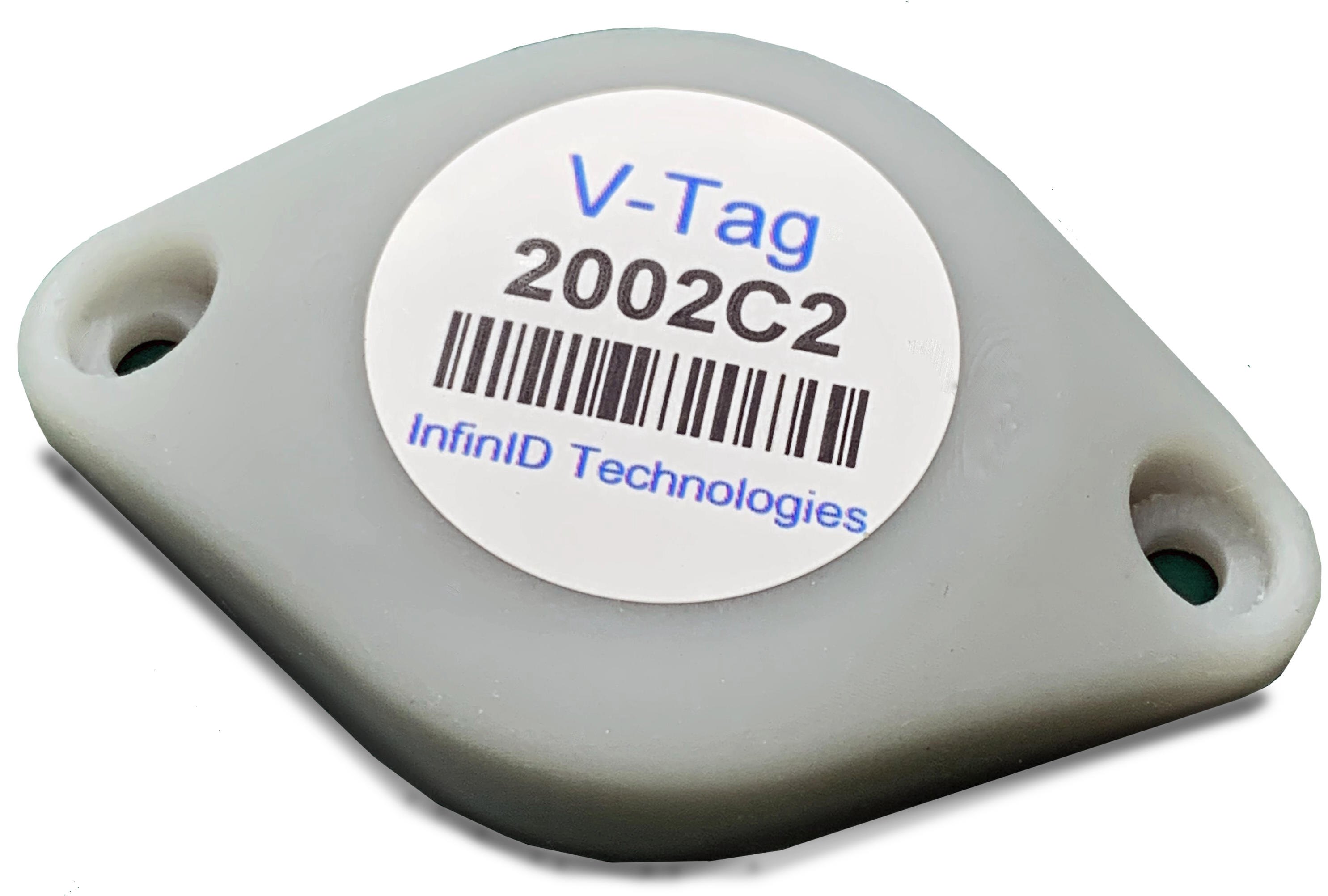
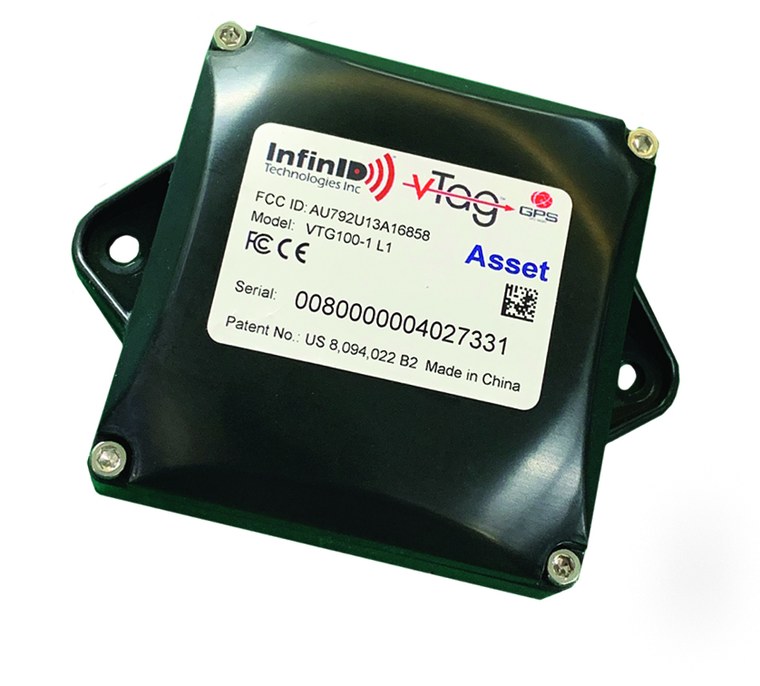
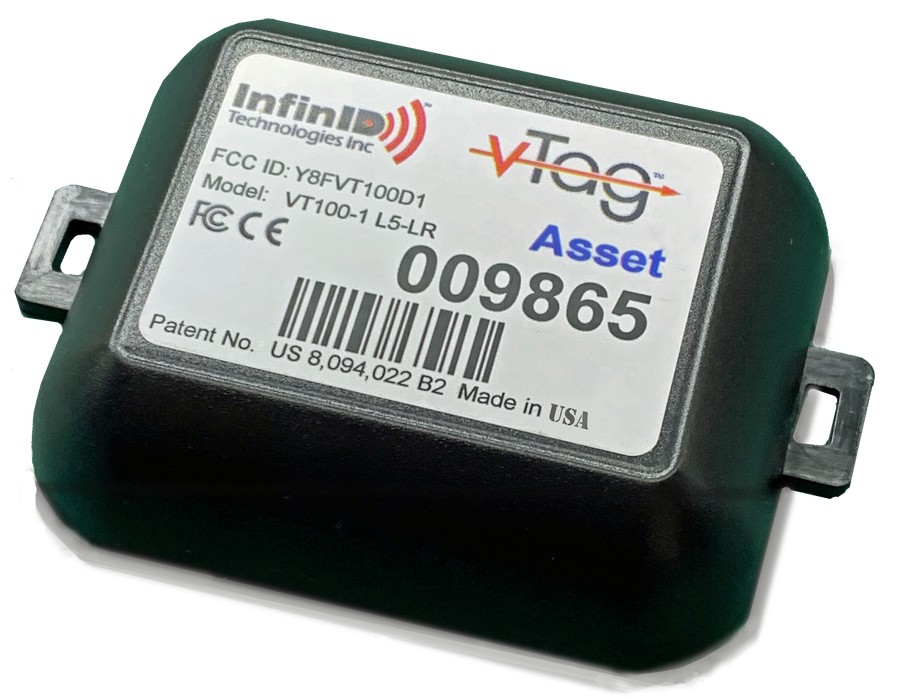 V-Tag Asset Tag, 6-Yr BatteryOur most popular ruggedized interior asset tag.Quoted through an authorized resellerDetails
 V-Tag Fixed Position Tag, 6-Yr BatteryFixed reference tag that maps a zone — interior.Quoted through an authorized resellerDetails
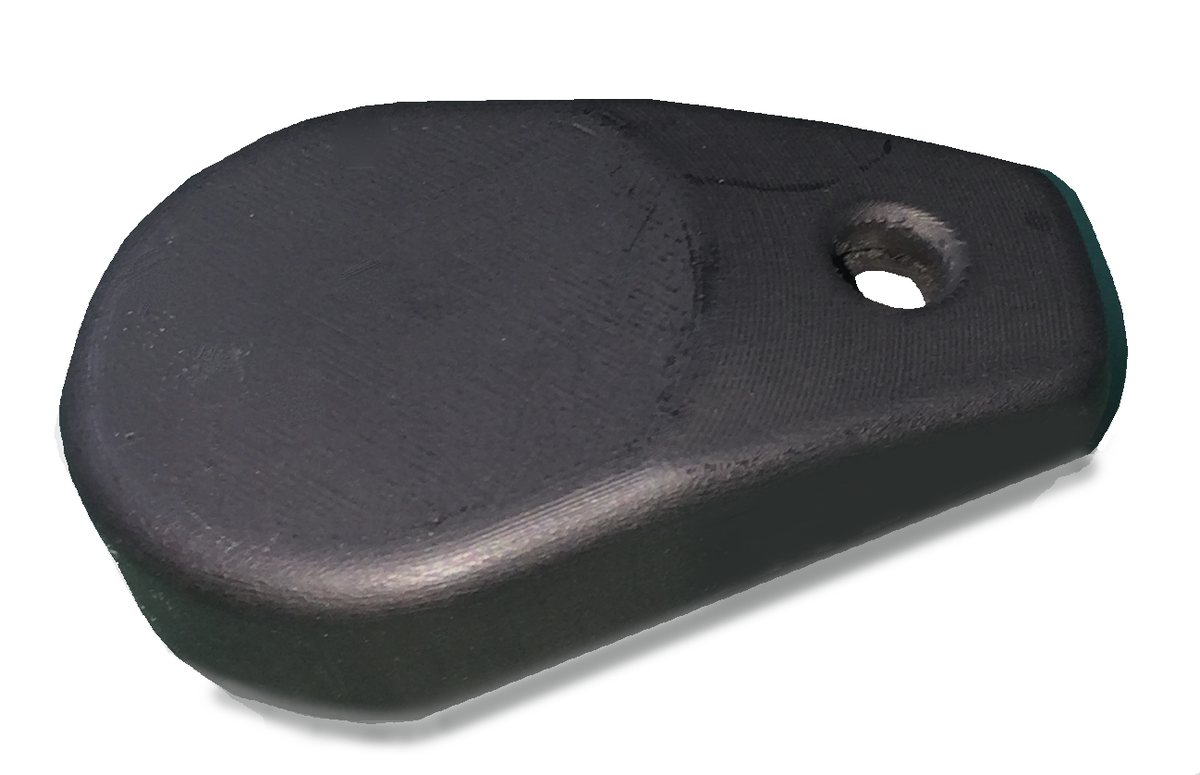
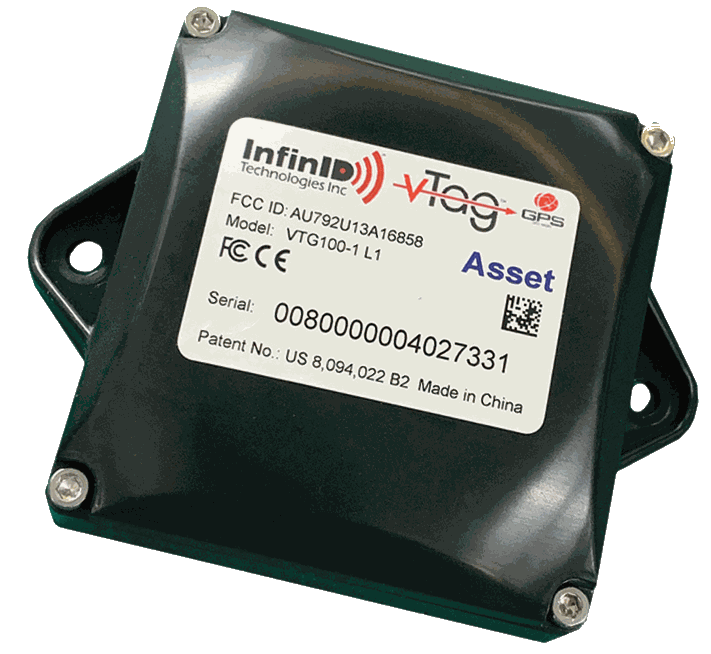 V-Tag Asset Tag, 6-Yr Battery, ExteriorRuggedized asset tag sealed for outdoor use.Quoted through an authorized resellerDetails
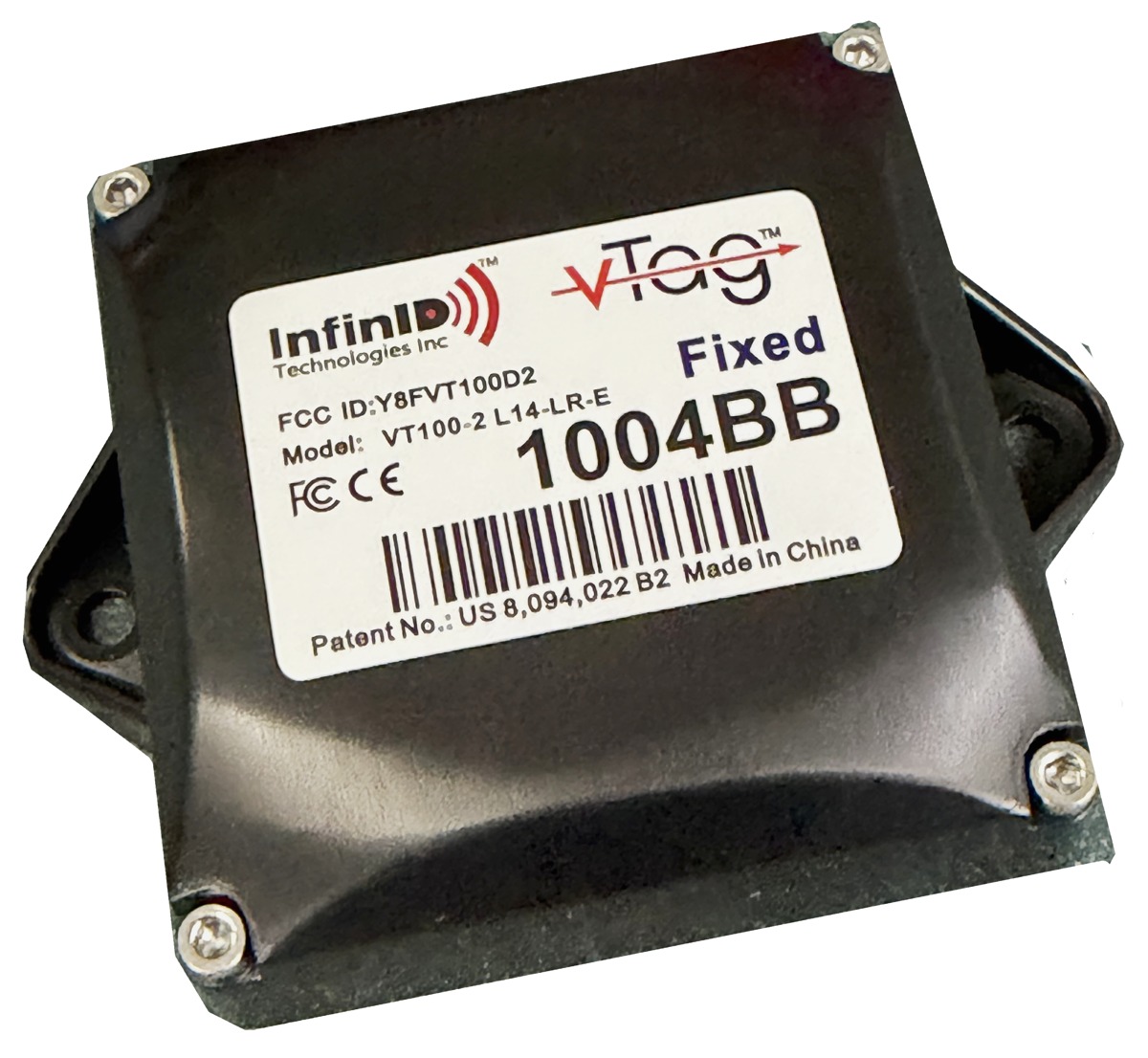 V-Tag Fixed Position Tag, 6-Yr Battery, ExteriorFixed reference tag that maps a zone — exterior.Quoted through an authorized resellerDetails
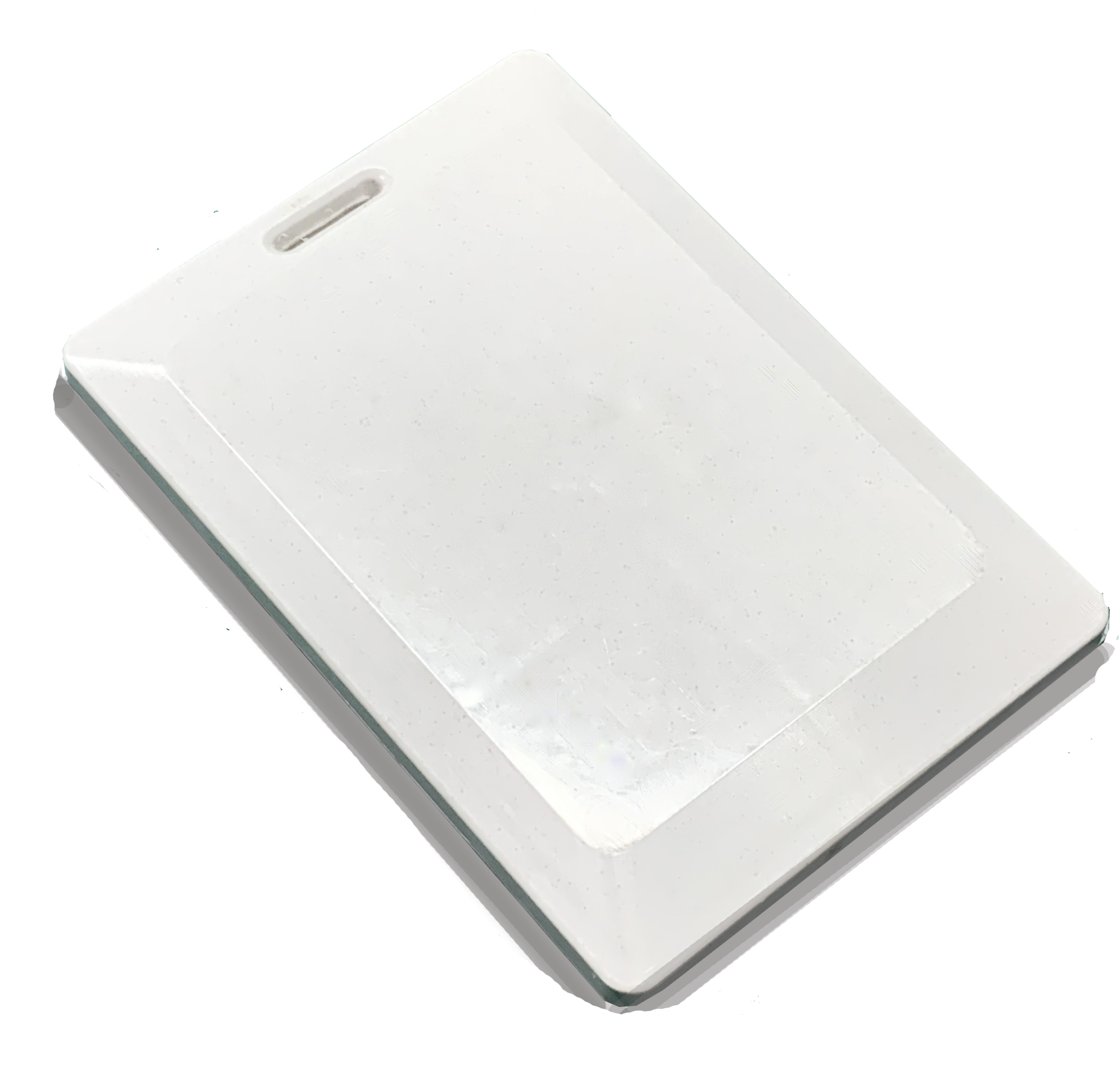
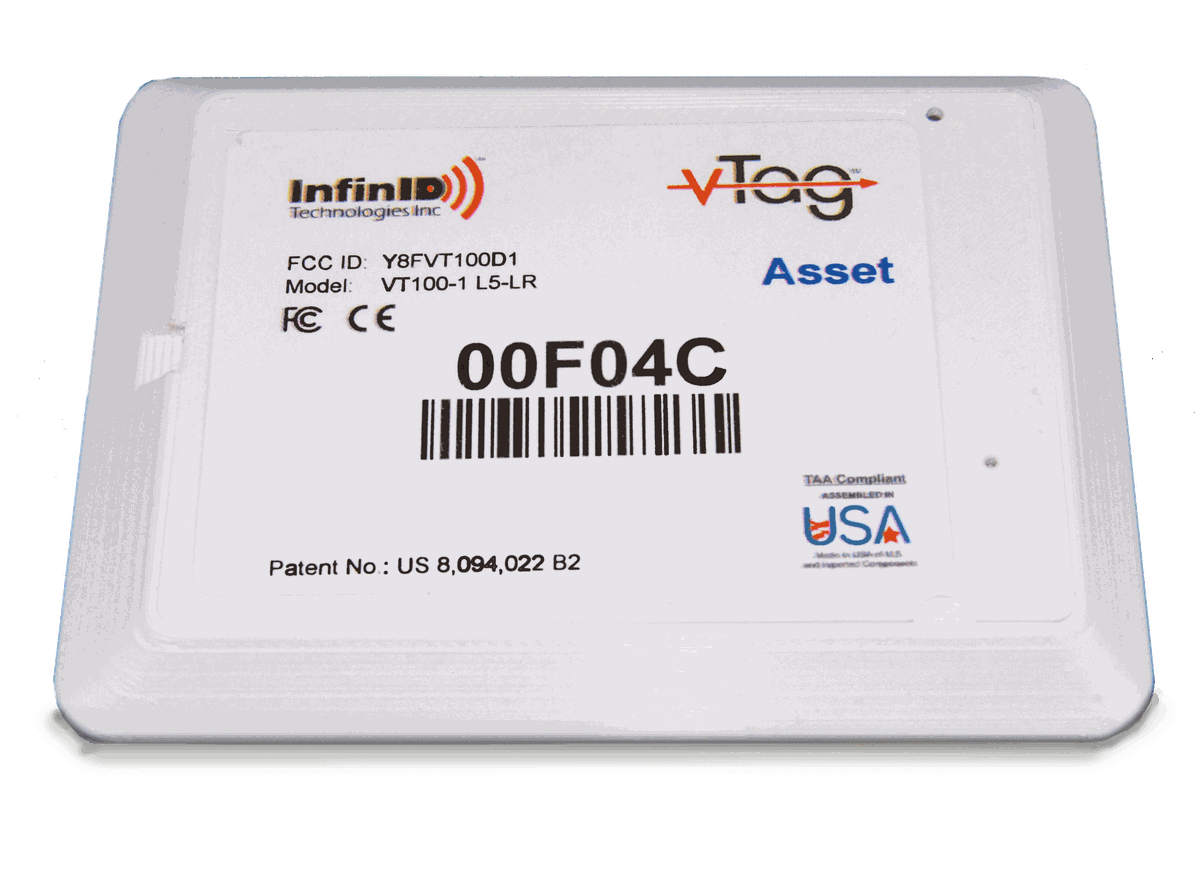 V-Tag Laptop/Travel Document Asset Tag, 3-Yr BatterySlim tag for laptops & travel documents — 3-yr replaceable battery.Quoted through an authorized resellerDetails
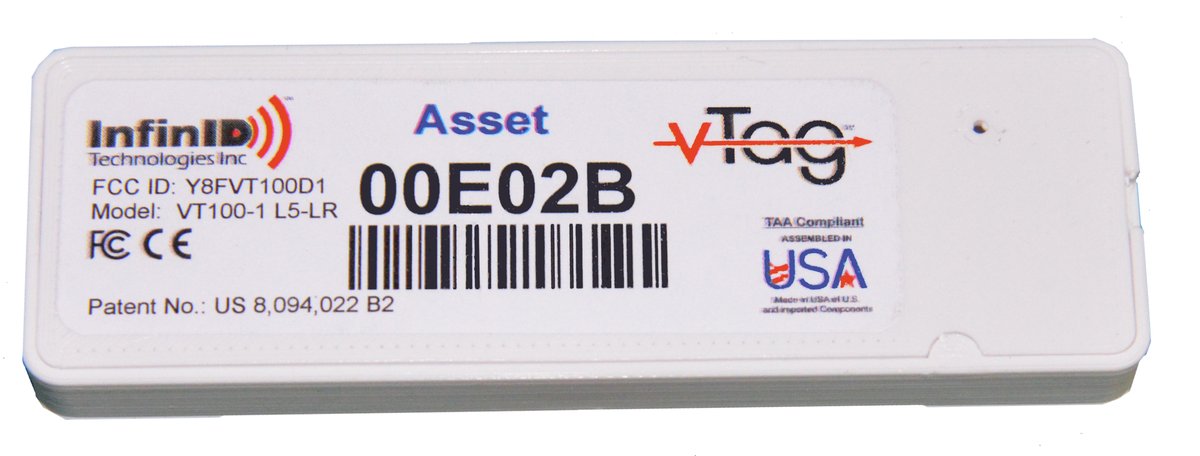 V-Tag Slim Asset Tag, 1-Yr BatteryThin, lightweight asset tag — 1-yr replaceable battery.Quoted through an authorized resellerDetails
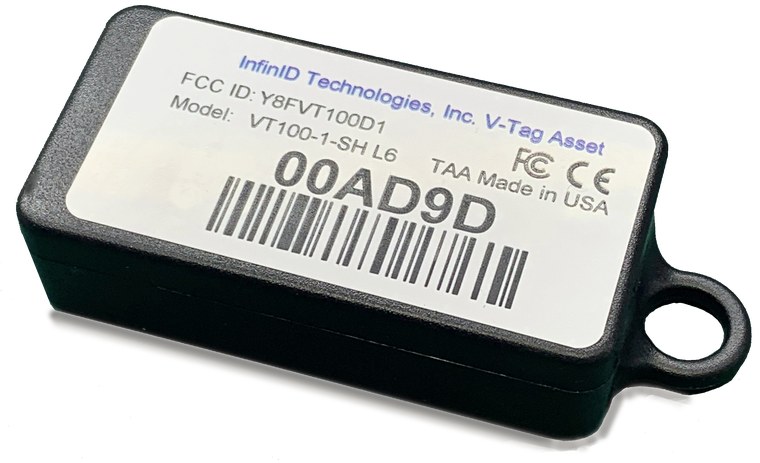 V-Tag Short Asset Tag, 1-Yr BatteryCompact short-form asset tag — 1-yr battery.Quoted through an authorized resellerDetails
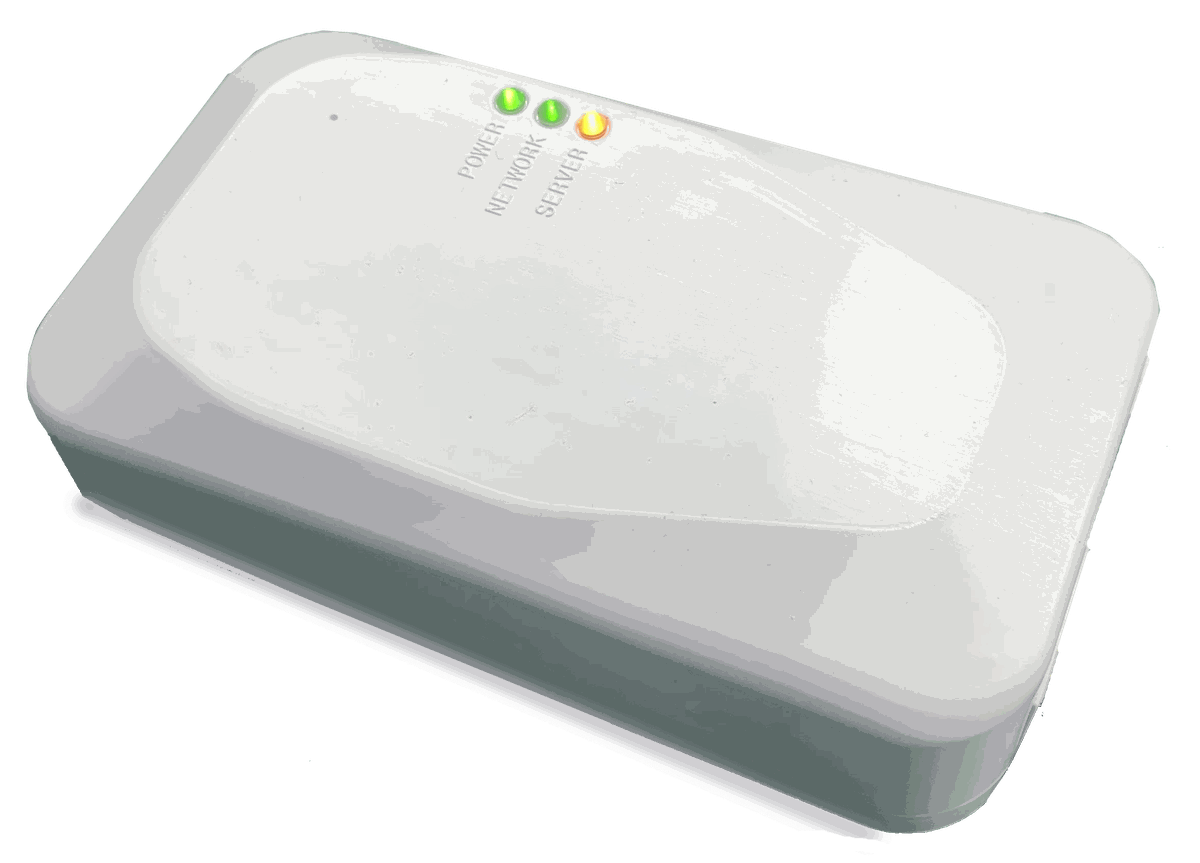 V-Tag Smart Gateway Gen2Relays the mesh to AssetWorx! — USB-C powered.Quoted through an authorized resellerDetails
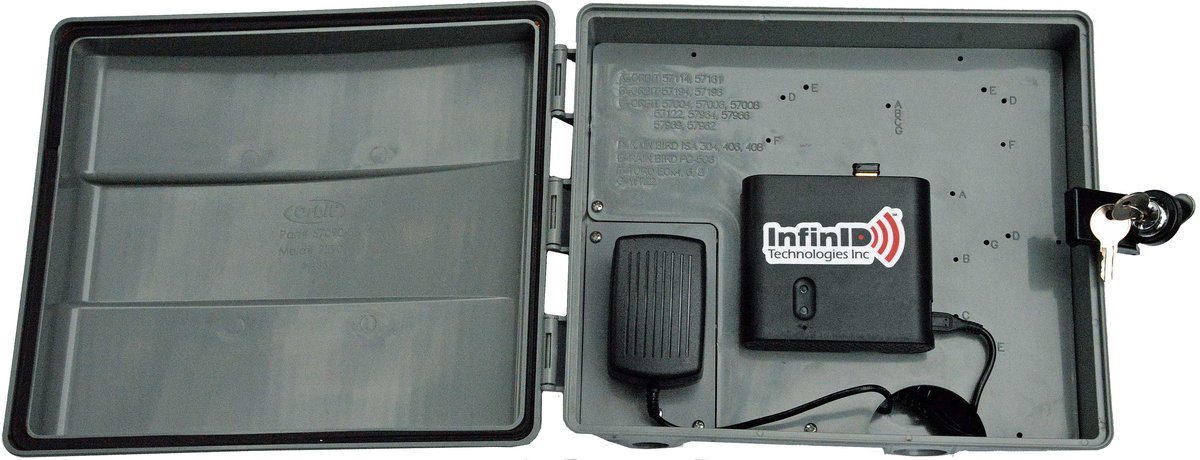 V-Tag Smart Gateway Gen2, ExteriorOutdoor gateway in a sealed NEMA enclosure.Quoted through an authorized resellerDetails
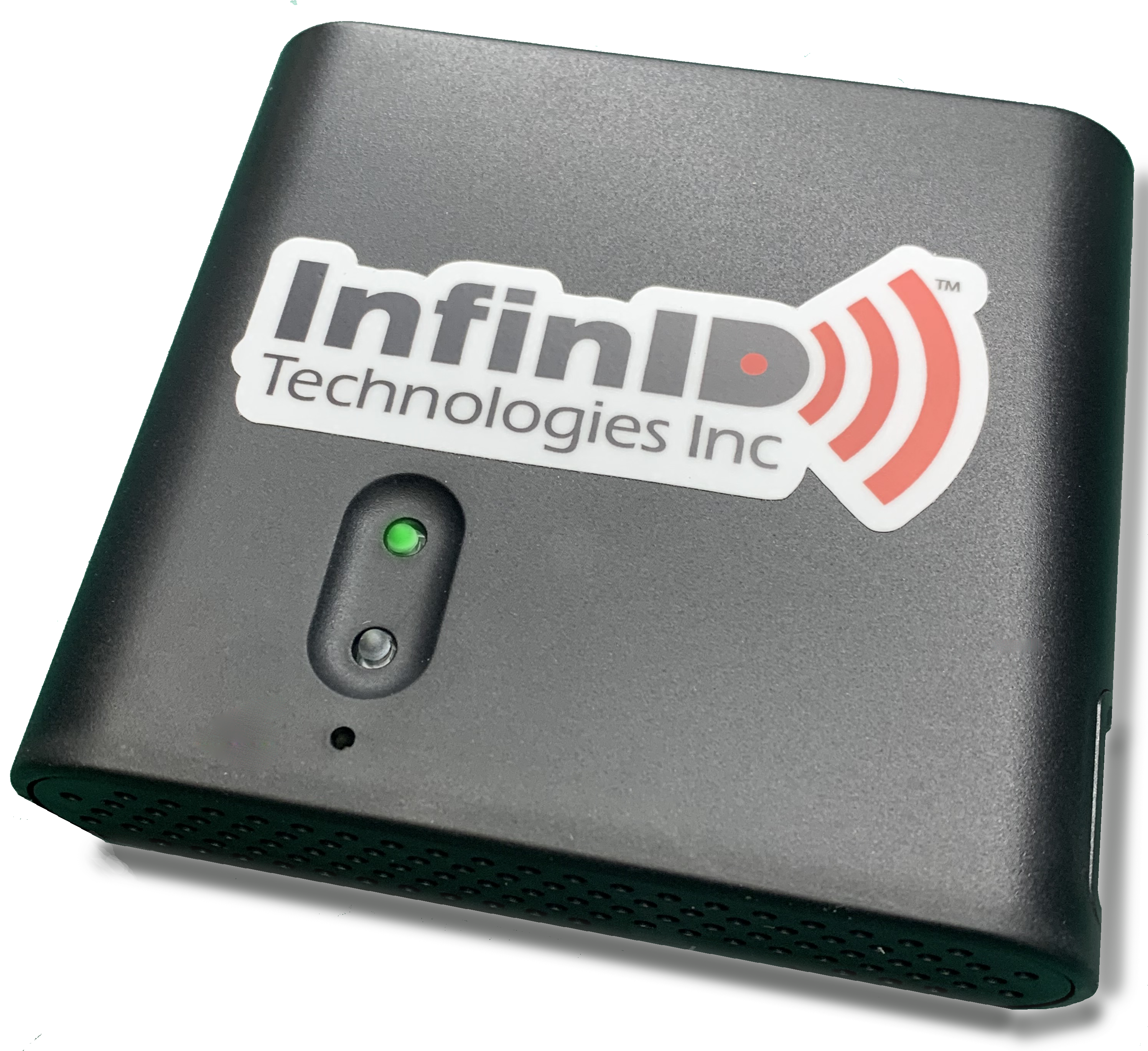 V-Tag Gateway (VG200-1)Receives V-Tag & beacon reports; relays over Ethernet or Wi-Fi.Quoted through an authorized resellerDetails
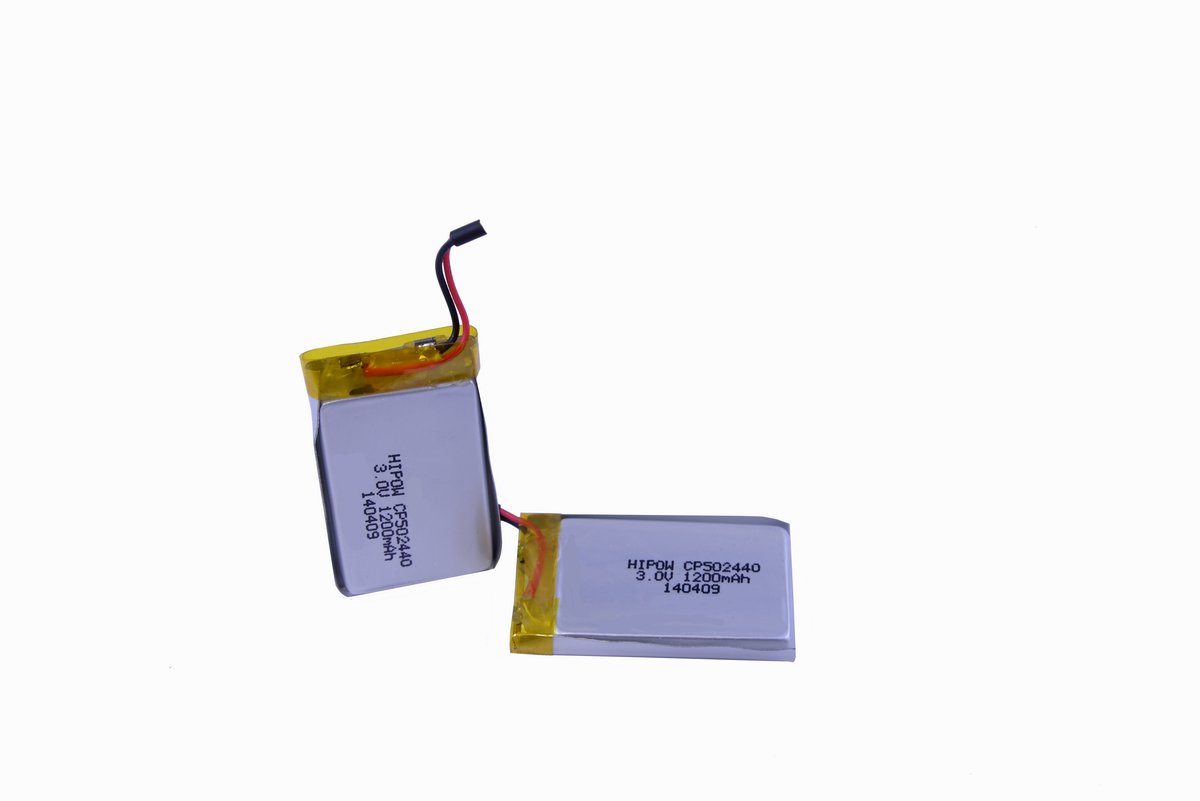 Replacement Battery, 1-YrField-replaceable 1-year battery.Quoted through an authorized resellerDetails
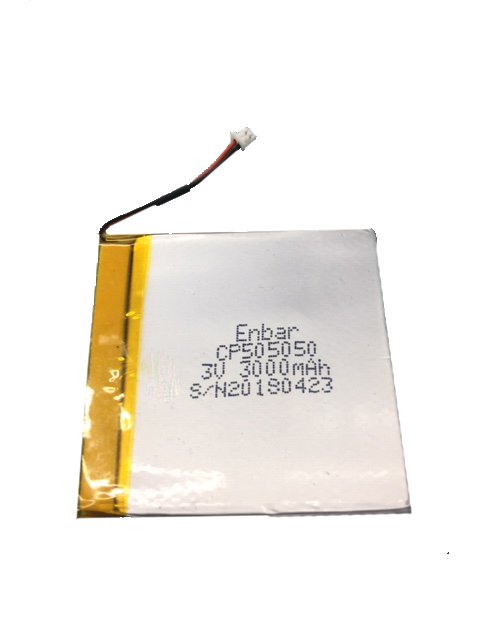 Replacement Battery, 3-YrField-replaceable 3-year battery.Quoted through an authorized resellerDetails
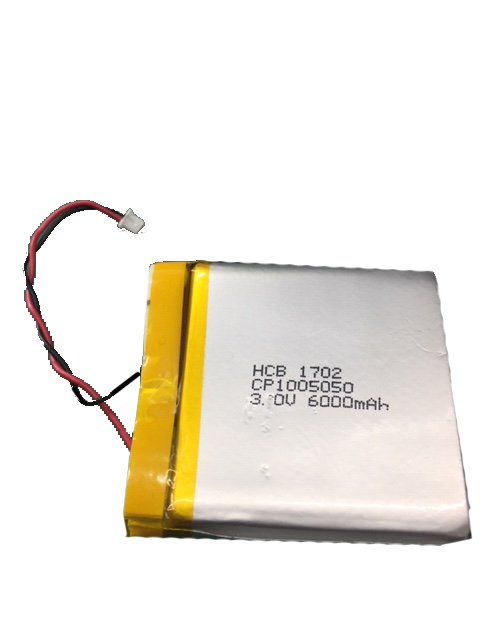 Replacement Battery, 6-YrField-replaceable 6-year battery.Quoted through an authorized resellerDetails
Indoor or outdoor, the surface, the range, and the fleet size — we'll pick the tags, gateways, and battery life that fit, and quote it.
Request a quote